Batwa Eco-Leadership and Resilience Project: Strengthening Indigenous Climate Leadership in Itombwe
The Batwa Eco-Leadership and Resilience Project, implemented by VIFILED ASBL in the Itombwe Nature Reserve landscape (South Kivu, DRC), represents a transformative community-led initiative at the intersection of climate justice, Indigenous rights, and youth leadership. Over the implementation period (August 2025 – April 2026), the project has contributed to strengthening the capacity of Batwa girls and young women, restoring degraded ecosystems, and building a community-driven environmental monitoring system rooted in Indigenous knowledge and digital innovation.
1. A New Generation of Indigenous Women Climate Leaders
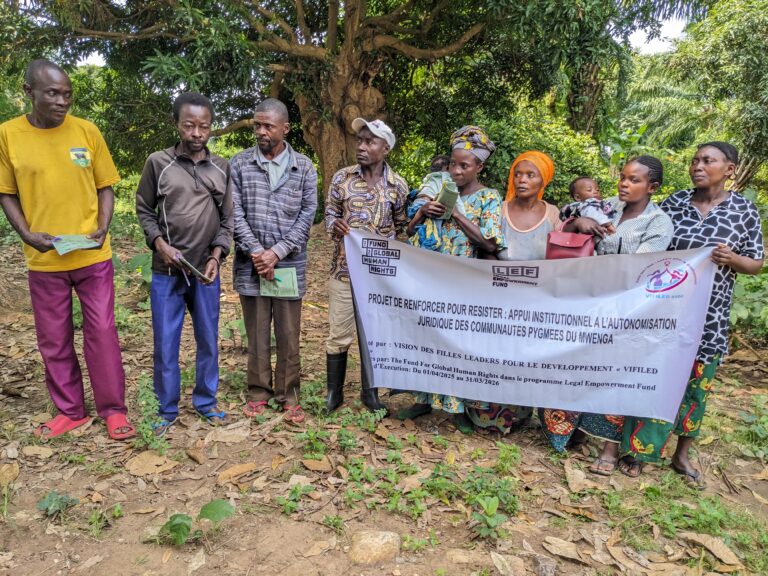
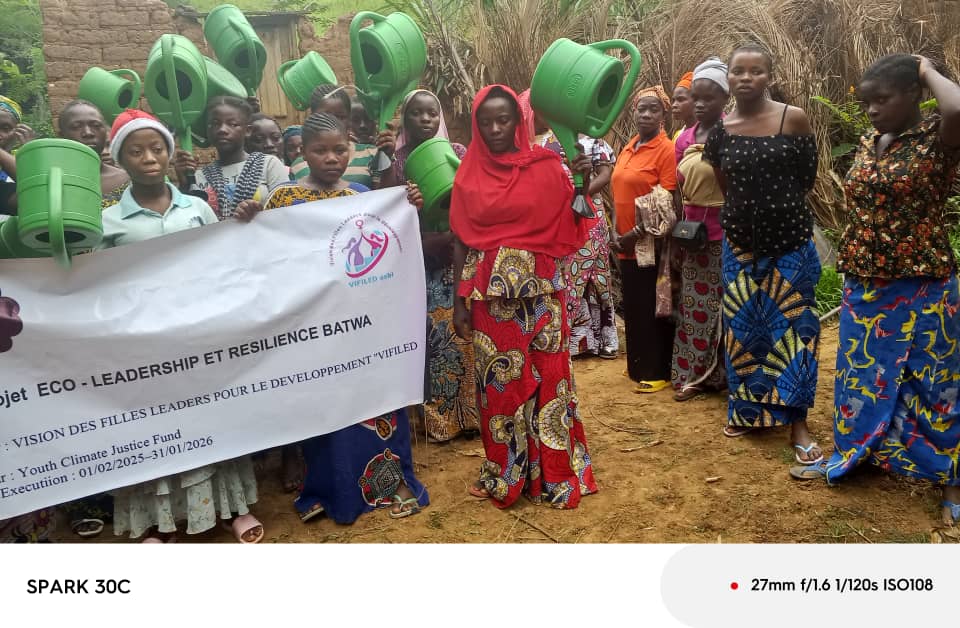
A total of 81 Batwa girls and young women have been trained as eco-leaders. These young women are now actively engaged in their communities as environmental educators, mobilizers, and emerging leaders.
They are increasingly:
- Leading environmental awareness sessions
- Mobilizing communities for reforestation and forest protection
- Participating in local dialogue spaces with authorities
- Emerging as community ambassadors and para-legal actors
This marks a significant shift in a context where Indigenous Batwa women have historically been excluded from leadership and decision-making spaces. Today, they are becoming visible actors of environmental change and community resilience.
2. Large-Scale Community-Led Ecosystem Restoration
The project has achieved tangible environmental restoration results through community participation:
- 2,593 indigenous trees planted during the second phase
- 2,257 trees from the first phase currently surviving and healthy
- Contribution toward a broader target of 5,000 trees under restoration efforts
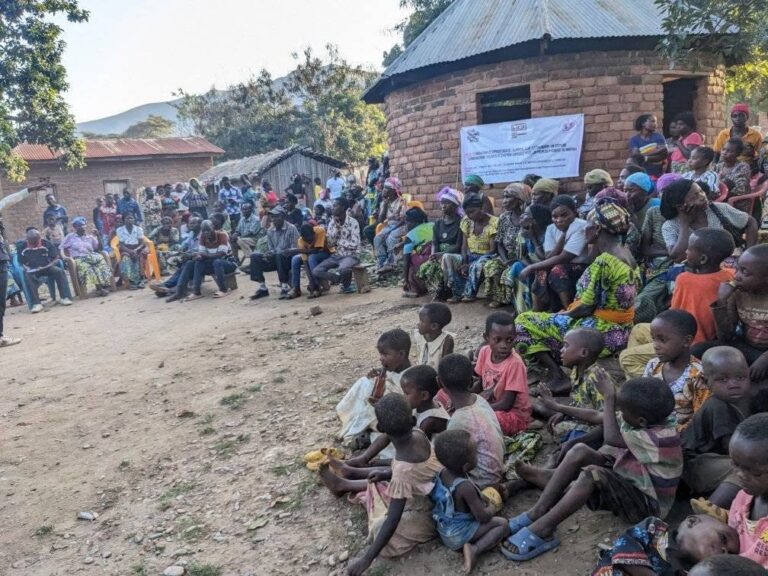
Beyond numbers, the most important transformation lies in ownership. Reforestation is no longer a project activity—it has become a community responsibility and a shared survival strategy. Communities are now actively involved in:
- Protecting reforested areas
- Maintaining planted trees
- Integrating restoration into daily life
- Strengthening local environmental stewardship
3. Strengthening Community Awareness and Collective Action
The project has significantly improved community awareness on:
- Climate change impacts
- Deforestation and forest degradation
- Risks linked to mining and extractive activities
Communities are increasingly shifting:
- From passive observation to active engagement
- From isolation to collective organization
- From vulnerability to environmental responsibility
Environmental protection is becoming a shared cultural practice across generations.
4. Digital Innovation for Real-Time Environmental Protection
A key innovation of the project is the deployment of the NAPASHA mobile environmental monitoring system, now accessible on the Google Play Store.
- More than 209 Batwa and Bambuti youth actively use the application
- The system enables real-time reporting of environmental threats
- It has contributed to the successful containment of 6 bushfires
- It strengthens early warning and rapid response mechanisms
This digital tool has transformed environmental monitoring by:
- Increasing community autonomy
- Improving coordination among youth and leaders
- Strengthening accountability in environmental protection
It represents a powerful example of how technology can serve Indigenous-led climate action when grounded in local realities.
5. From Local Action to Continental Influence
Beyond local impact, the project has contributed to broader climate governance discussions in Africa. Through VIFILED ASBL’s engagement in regional advocacy processes, particularly with the African Union Development Agency – NEPAD, community experiences from Itombwe have informed emerging frameworks on:
- Equity and integrity in African carbon markets
- Strengthening Free, Prior and Informed Consent (FPIC)
- Community participation in climate governance
- Social accountability in environmental decision-making
This demonstrates a critical shift:
Indigenous community experiences from rural DRC are now influencing continental climate policy discussions.
6. A Transformation Beyond Numbers
While results are measurable, the most profound impact is human and social.
Among the most powerful changes observed:
- Young Batwa women confidently speaking in public for the first time
- Communities collectively responding to environmental alerts
- Elders and youth collaborating on forest protection
- Increased dignity, visibility, and recognition of Indigenous identity
These moments reflect a deeper transformation—from marginalization to leadership, from exclusion to recognition, and from vulnerability to agency. The Batwa Eco-Leadership and Resilience Project demonstrates that Indigenous communities are not passive victims of climate and environmental crises—they are key actors in building solutions.
By combining youth leadership, indigenous knowledge systems, ecosystem restoration, digital innovation and climate justice advocacy. VIFILED ASBL is contributing to a scalable model of community-led climate resilience rooted in dignity, justice, and local leadership.As we move forward, our commitment remains clear: to strengthen Indigenous leadership, protect forests, and ensure that Batwa and Bambuti communities are at the center of climate governance in the DRC and beyond.